
Whoa, this matters. I installed a browser wallet a while back and my whole routine shifted. Fees, chains, and permission pop-ups used to feel like a bad game of whack-a-mole. Something felt off about the default options—my instinct said pay attention. I’m biased, but I care about control and clarity.
Really, no kidding. The DeFi world is noisy and full of shiny buttons that do different things. At first I picked wallets by looks and hype, which was dumb and naive. Over time I learned that the things under the hood actually matter more than a slick landing page or a cute mascot. Here’s the thing: you want predictable behavior when you sign a tx.
Hmm, interesting thought. Rabby popped up in conversations in my Discord and Telegram groups. Initially I thought it was just another extension, but then realized the emphasis on multi-chain ergonomics and transaction simulation was uncommon. Actually, wait—let me rephrase that: it wasn’t just uncommon, it felt like a fresh take on usability. My first impression was curiosity, followed quickly by cautious testing.
Check this out—I’ve used a few wallets in my daily workflow. I found myself toggling networks, copying contract addresses, and juggling RPCs like a circus performer. That part bugs me. The friction adds cognitive load, and in DeFi that can cost money. So when a wallet promises multi-chain convenience without compromising security, my antennae go up.
Okay, so here’s what mattered to me. Permission controls that let me restrict access. Transaction previews that explain what is happening. Built-in simulation so I can see potential reverts or high slippage before I sign. These are not just nice-to-haves. They’re safety mechanisms for real users who don’t want to lose funds because of a misclick.
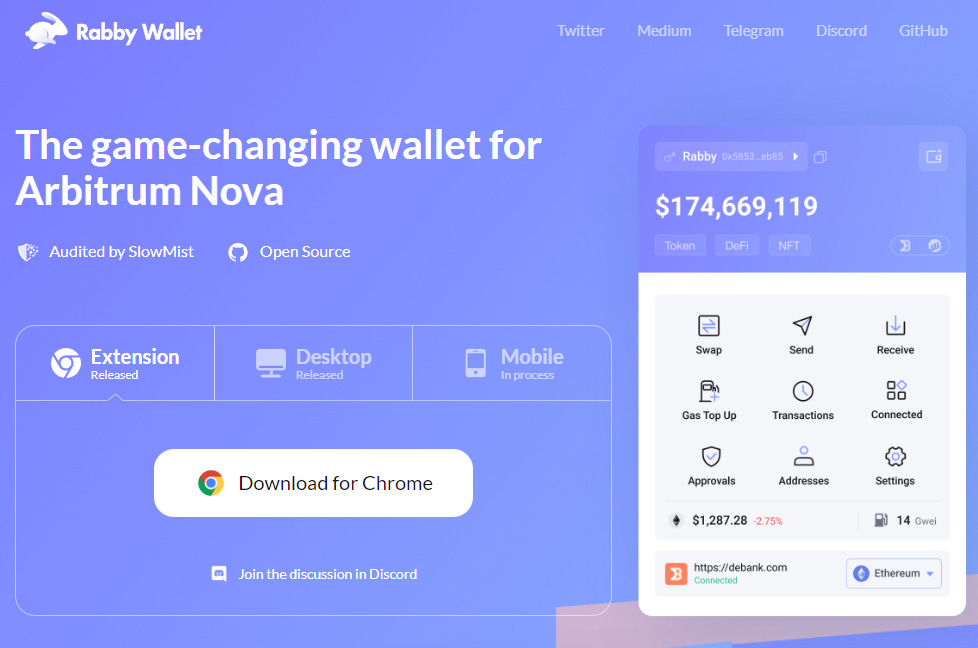
How a good browser wallet actually makes DeFi less scary
I tried the rabby wallet after hearing practical praise rather than hype. My first use felt familiar, like moving into a slightly redesigned kitchen—everything in reach and not cluttered. The multi-chain flow meant adding a token on Arbitrum didn’t require a re-install or a new seed import. That was a relief. I’m not 100% technical on RPC internals, but the UX reduced mistakes.
Whoa, seriously. One feature I liked was a clear simulation step before signing complex calls. It showed me gas usage and potential contract actions, which is very very important when interacting with unfamiliar contracts. On one hand I trusted my wallet, though actually I still cross-check on a block explorer. On the other hand, the simulation often prevented a rash sign that my gut would’ve regretted.
Something I appreciate is granular approvals. Instead of blanket allowances that let a contract pull unlimited tokens, I can limit approvals to specific amounts and revoke them later. This is not revolutionary, but it’s practical and it changes behavior. My friend in Austin calls it “Main Street common sense”—simple, effective, and not flashy.
Here’s the thing. Extensions can be a single point of failure, so permissions and audits matter. I dug through changelogs and community threads. Initially I thought a wallet was only as safe as its code, but then I realized the team and community responsiveness matters too. If the devs respond to reports, ship fixes, and explain decisions, that’s a real trust signal—more than a GitHub star count.
I’m going to be honest. No extension is perfect. There are trade-offs between convenience and absolute isolation. Hardware wallets are great for cold storage, but they’re clunky for daily DeFi interactions. I use both. My daily driver is a browser extension with hardware-signing for larger txs. That combo balances speed and security for me.
On the technical side, I liked that network switching felt seamless. The wallet handled chain metadata gracefully, and custom RPC additions were straightforward. That reduces the chance of pasting the wrong RPC or using a malicious endpoint. I can’t promise this will stop every attack, but it lowers the cognitive friction that causes user error.
And look—I noticed somethin’ interesting about the UI choices. They leaned towards clarity over bells and whistles. Not a bad trade. You can tell the designers prioritized transaction context, and that decision trickles down to safer behavior. Small things like a clear nonce display or an explicit “what will this contract do” panel matter more than you think.
During my tests I also tried sending cross-chain tokens via bridges and interacting with DEX aggregators. The wallet’s handling of multiple chains felt consistent, which is key when you’re risk-managing slippage and deadlines. There were moments where I had to pause, confirm ledger settings, and re-check gas. That pause is healthy. It prevented me from making avoidable mistakes.
On a tactical level, the extension supported network heuristics that inferred token lists and contract verification status. That’s helpful if you’re scanning a new project’s token. Not a guarantee, obviously. But the extra context nudges you away from obviously sketchy interactions. My instinct said these nudges reduce impulsive signing.
One downside is ecosystem coverage—no wallet supports every niche chain out of the gate. I ran into a fringe network that required manual configuration, which took some time. That’s fine though; it’s a manageable trade-off if the core experience is solid. I’m not 100% sure the wallet will prioritize tiny L2s, but community feedback seems to help shape priorities.
Okay, so check this out—security features like approval revocation and transaction simulation helped catch an accidental approval attempt when interacting with a new contract. I caught it and avoided a mess. If that sounds small, know that many losses come from tiny oversights. Two friends of mine in NYC lost funds because they granted unlimited approvals to a scam token. It happens more than you’d think.
There’s also the social side. Community responsiveness signals legitimacy. I watched how issues were triaged and addressed. Initially I thought “does this team care?” and then realized they did, because they replied and documented fixes promptly. That sort of governance is comforting, especially in an industry where silence often means abandoned projects.
I’ll be frank—some things bug me. Extension permission requests can still be confusing. Browser security models are imperfect. But a well-designed wallet reduces cognitive load and clarifies dangerous actions. That’s what I value most. And yes, I still double-check everything on a block explorer because that’s a habit you can’t fully automate away.
I’m not trying to sell anyone here or shout from the rooftops. I’m simply sharing what I found useful in daily use. If you’re into DeFi and you use browser-based workflows, evaluate UX, permission granularity, and community transparency. Those areas are more predictive of long-term safety than splashy marketing.
FAQ
Is a browser extension wallet safe for large holdings?
Short answer: not on its own. Use hardware wallets for large, long-term holdings. Browser extensions are excellent for active trading and DeFi interactions, but for big sums combine them with hardware signing or split funds across custody strategies.
How do I minimize risk when using multi-chain features?
Limit token approvals, use transaction simulation to preview actions, and stick to reputable RPCs. Keep one extension for daily use and a separate, cold storage solution for long-term assets. Also, follow project changelogs and community threads—reactive teams often mean fewer surprises.
Leave a Reply