
Many DeFi losses do not begin with a broken blockchain or an obviously malicious website. They begin with an ordinary-looking approval, swap, bridge, or contract interaction that the user understood only in broad terms. The counterintuitive part is that signing a transaction is often less like sending a payment and more like granting a program permission to act under specific conditions. A wallet that can preview those conditions before signing can therefore reduce a major class of mistakes—but it cannot eliminate market risk, validator behavior, or every form of MEV.
That distinction matters for US-based DeFi users navigating Ethereum and other EVM chains. Transaction simulation, address screening, and MEV protection are sometimes presented as separate security badges. In practice, they address different layers of the same decision: what will this transaction attempt, who can observe or influence it, and what could change between the preview and confirmation?
What a transaction simulation actually does
An EVM transaction is an instruction sent to a smart contract, not merely a line item that moves coins from one account to another. It may call several contracts in sequence, change token allowances, mint or burn assets, transfer NFTs, or trigger a swap whose final output depends on state at execution time. A simulation runs the proposed call against a representation of current blockchain state and estimates the resulting effects without committing them on-chain.
The useful output is not just a predicted success or failure. A strong simulation can help expose which assets leave the wallet, which assets arrive, whether an approval is unlimited, which contract addresses are involved, and whether the call would revert. This translates opaque calldata into a decision surface that a human can inspect.
There is a sharper way to think about it: simulation is a form of pre-trade risk analysis. It answers, “If this call executes against the state I can currently observe, what does it appear to do?” That is different from asking whether the transaction is economically sensible or whether the destination protocol is trustworthy. A simulation can accurately show a transfer to an attacker-controlled address if the user intentionally constructed that transfer.
Where MEV enters the picture
Maximal extractable value, or MEV, describes value that can be gained by influencing the ordering, inclusion, or execution of transactions. The classic example is a sandwich attack: a searcher observes a large swap, buys before it, allows the victim’s trade to move the price, and sells afterward. The victim may still receive the minimum output specified by the transaction, yet receive a worse price than expected.
Transaction simulation and MEV protection overlap, but they are not interchangeable. Simulation examines the likely result of a call. MEV protection attempts to reduce the chance that public visibility and transaction ordering will be used against the trader. A private transaction route, a protected relay, tighter slippage, or a well-designed order flow may reduce exposure, but each introduces dependencies involving availability, fees, latency, and trust assumptions.
This is why “the transaction simulated successfully” should never be treated as “the transaction is safe.” The simulation may not model the exact block in which the transaction lands. Between preview and execution, another trade can consume liquidity, an oracle can update, a pool can be drained, or a competing transaction can be ordered first. The result is especially sensitive in volatile markets and low-liquidity pools.
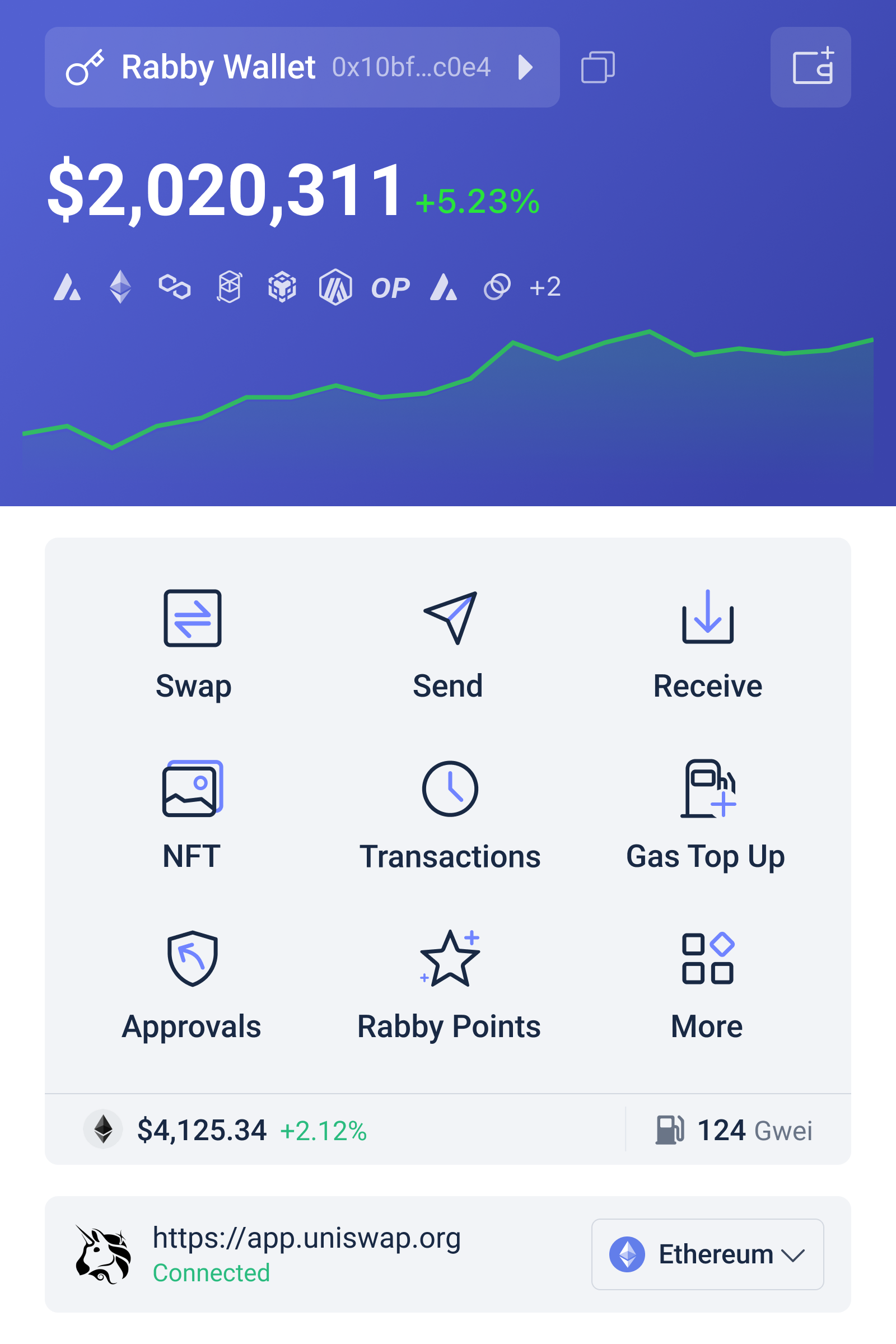
For users evaluating an advanced rabby wallet workflow, the practical question is not whether one feature guarantees protection. It is whether the wallet helps connect three observations: the intended action, the likely state change, and the transaction’s exposure to changing market conditions. That combination is more useful than any single warning label.
The most important risk distinction: execution risk versus authorization risk
DeFi users often focus on whether a swap will succeed. Yet the more durable danger can be authorization. An approval allows a spender contract to move a token on the user’s behalf within a specified limit. If the approval is excessive, unnecessary, or granted to a compromised contract, the loss may occur later, outside the original transaction.
Simulation can reveal that an approval is being created, but interpretation still matters. A technically valid approval may be economically unreasonable. Users should ask whether the spender is the intended protocol, whether the allowance needs to be unlimited, and whether an old approval remains active. Revoking permissions can reduce future exposure, although revocation itself is another on-chain transaction with network fees and its own execution considerations.
Execution risk is different. It includes slippage, failed calls, gas spikes, oracle movement, liquidity changes, and unexpected contract behavior. A good risk assessment separates these categories instead of compressing them into a single green or red signal. Authorization risk concerns what a contract may do later; execution risk concerns what this call may do now.
Why simulations fail at the boundary
No preview can reproduce the entire future blockchain. Simulators rely on a state snapshot, a node or service that provides execution data, and assumptions about how the transaction will be included. If the state changes before confirmation, the preview becomes a forecast rather than a guarantee.
Some contracts also behave differently depending on block timestamp, block number, caller identity, gas availability, external price feeds, or transactions executed immediately beforehand. A simulation service may not perfectly reproduce private order flow or builder-level ordering. Cross-chain applications add another boundary: the first transaction may succeed while a later message, bridge settlement, or destination-chain action is delayed or fails.
These limits do not make simulation useless. They define its correct role. It is strongest at detecting deterministic mismatches—such as sending the wrong token, calling an unexpected contract, or receiving an implausible asset result. It is weaker at predicting adversarial or rapidly changing conditions. The reader should treat the output as evidence with a confidence level, not as an insurance policy.
A reusable risk-assessment routine
Before signing a material DeFi transaction, inspect it in layers. First, verify the identity and purpose of the contract interaction. Second, read the simulated asset changes: what leaves, what arrives, and what permissions are created? Third, examine economic tolerances such as slippage, fees, price impact, and minimum received amounts. Fourth, consider timing: is the market moving quickly, is liquidity thin, or is the transaction large enough to attract attention?
Finally, ask what would happen if the transaction were delayed, reordered, or executed against slightly different state. This last question is where MEV awareness becomes practical. A small routine swap on a deep market may have limited ordering exposure. A large trade in a shallow pool, however, may warrant a protected route, a smaller transaction, a limit-style mechanism, or a decision to wait.
Wallet interfaces can make this process easier by presenting simulation results, warnings, and approval information at the signing point. That convenience is valuable, but it can also create overconfidence. The more polished the interface, the more important it is to preserve the habit of checking assumptions rather than outsourcing judgment entirely.
What to watch as wallet security evolves
The next meaningful improvement is likely to be better integration between simulation, authorization management, and transaction routing. A useful system would not merely report that a call succeeds; it would explain the material risks, distinguish permanent permissions from one-time effects, and show how routing choices alter MEV exposure.
Whether that becomes reliable depends on difficult engineering and incentive questions. Simulations must remain timely, warning systems must avoid overwhelming users with false positives, and protection services must disclose their own trust and availability assumptions. If those conditions improve, wallet security may increasingly resemble continuous transaction risk analysis rather than a final pop-up before signing.
The central lesson is simple but easy to forget: a blockchain transaction can be valid, successful, and still harmful to the person who signed it. Simulation helps users see the mechanism. MEV-aware routing helps address the competitive environment around execution. Neither replaces skepticism, but together they give DeFi users a more accurate model of what they are approving.
Frequently Asked Questions
Does transaction simulation prevent MEV attacks?
No. Simulation estimates the transaction’s effects under observed conditions. MEV protection concerns visibility and ordering, so it may require private routing or other execution controls. Simulation can reveal unfavorable slippage settings or unusual outcomes, but it cannot guarantee that a searcher will not react to the transaction.
Should I trust a successful simulation?
Treat it as strong but limited evidence. Confirm what assets move, what approvals are created, which contracts are called, and whether the economic terms remain acceptable. A simulation is most reliable for identifying clear mismatches and deterministic failures; it is less reliable when markets, liquidity, or external contract state can change quickly.
What is the single most useful habit before signing?
Read the resulting asset and permission changes rather than relying only on the application’s description. If the wallet predicts an unexpected token transfer, an unlimited approval, or a recipient you do not recognize, stop and investigate before submitting the transaction.
Leave a Reply