Whoa! This is one of those topics that sounds dry, but actually isn’t. Seriously? Yep. Multi-chain wallets are the new normal, but using them without transaction simulation feels like driving at night with no headlights. My first impression was simple: more chains mean more friction. Initially I thought a single UX layer would solve everything, but then realized that the real problem is invisible failure modes—reverted txs, unexpected approvals, hidden gas spikes—that users rarely see until it’s too late.
Okay, so check this out—transaction simulation changes the game. It gives you a peek into what the contract will do before you sign. That peek is not just convenience; it’s a security and UX multiplier, especially for DeFi power users who hop across EVMs. I’m biased, but once you get used to simulating, you stop losing money to dumb mistakes. (That part bugs me… watching people approve infinite allowances like it’s free money.)
Here’s the thing. Multi-chain wallets aren’t just wallets anymore. They’re execution platforms. They route, simulate, sign, and sometimes relay. A modern wallet should let you run a dry-run on-chain logic locally, show you the effects, and flag safety issues. It should also do this consistently across chains—Ethereum, Optimism, Arbitrum, BSC, Polygon, and the rest. Otherwise you’re guessing, and guessing in DeFi is a cost center.
Why simulation matters—practical, not philosophical
Short version: it stops bad things. Long version: it prevents reverted transactions, front-running losses, and accidental approvals that lead to drained wallets. Simulations reveal three classes of problems: logic reverts, state-dependent failures, and economic regressions like slippage or sandwich risk. My instinct said that gas was the main worry; actually, the biggest losses come from mis-specified calls and unchecked approvals. On one hand users worry about private keys. On the other hand, they often give away power to contracts they don’t understand. Hmm… that mismatch matters.
Try this mental model: a transaction is a bundle of intent plus state assumptions. If the assumptions are wrong—like the pool balance changed, or the allowance isn’t what you expect—the result diverges. Simulation checks assumptions. It says, “Given current state, this is what will happen.” That matters across chains, because states diverge quickly. A bridged token might have different decimals or different contract logic on another chain, and that mismatch can be subtle but devastating.
Let me be honest—there are limits. Simulations are only as good as the RPC node and the forked state snapshot you run them against. If your provider lags, the simulation gives false confidence. So you need robust node infrastructure, or the wallet should let you choose providers. Also, some simulations can’t predict off-chain oracle updates or MEV activity that happens between simulation and inclusion. Still, simulation reduces the surface area of predictable errors, and that’s huge.
What an advanced multi-chain wallet should offer
Short checklist. Really short.
– Accurate pre-execution simulation on each chain.
– Gas estimation with sensitivity bands (low, median, high).
– Contract safety flags: reentrancy, selfdestruct, admin functions, unusual approval patterns.
– Built-in nonce and replacement tx controls for multi-tx flows.
– Hardware wallet & multisig compatibility for signing complex flows.
Now let’s unpack some of that. Simulation should include decoded state diffs so users see how balances and approvals will change. Show the token movements. Show internal calls. Show gas. Show whether a call will revert under current assumptions. This is more than a checkbox. It takes good UX to present it without scaring users away. (Oh, and by the way… show the raw calldata for those who want to nerd out.)
One important feature: simulate with alternative scenarios. For example, run the same swap with slippage at 0.5%, 1%, and 3% so traders see sensitivity. Run simulations using different oracle timestamps if relevant. These are small details that make a big real-world difference. They also help detect potential sandwich attacks or liquidity shifts.
Smart contract interaction—trust but verify
When you interact with smart contracts you sign intent, not guarantees. That sentence deserves repeating. Simulation provides a “verify before you sign” step that catches straightforward mistakes like incorrect recipient addresses or wrong token decimals. It also catches vague things like “approve unlimited” which, trust me, is still a thing people do. Why? Habit and laziness. I’m not 100% sure how to fix that cultural problem, but tooling helps.
Advanced wallets should support “approval previews”—a micro-simulation showing potential downstream flows a contract can initiate after you approve it. This can be done heuristically by analyzing functions and common patterns. It won’t be perfect, but it’s way better than nothing.
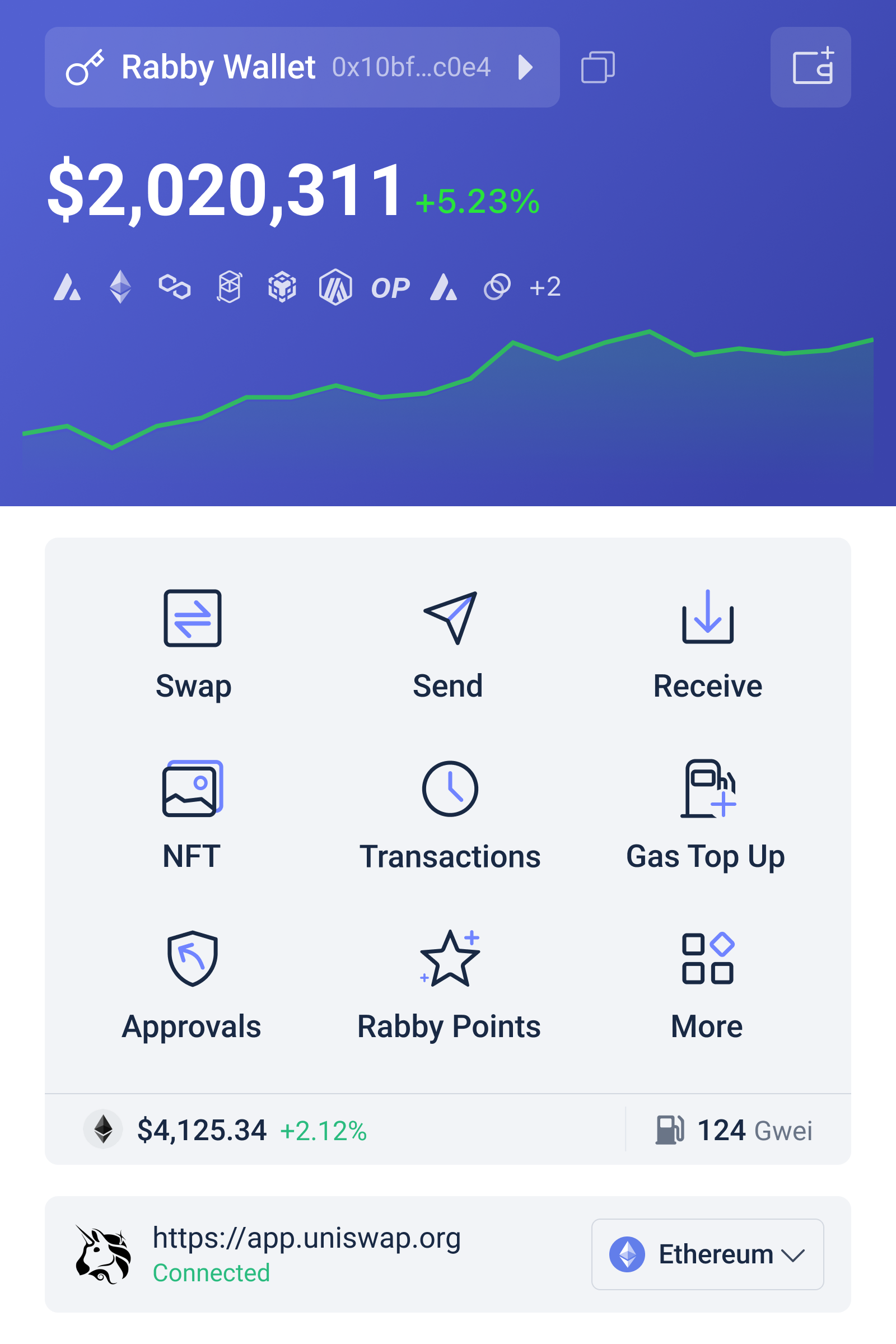
Another practical tip: wallets should integrate with signature aggregation or meta-transaction relayers for gasless UX, but show users the relay’s scope and fees clearly during simulation. Don’t hide the economics. Transparency builds trust. This is where wallets like rabby wallet shine—by combining simulation features with a crisp, actionable UI that reveals what’s going on beneath the hood.
Multi-chain gotchas and how to mitigate them
Chains have personalities. Ethereum mainnet is conservative. Layer-2s are fast and cheaper. BSC is permission-light. That affects simulation fidelity and risk models. Here’s what to watch for:
– Divergent token implementations: Some chains host wrapped or bridged tokens with quirks.
– RPC inconsistencies: Node software variations can make a simulation pass locally and fail in the mempool.
– Time-sensitive oracles: If price feeds update after simulation, actual execution may differ.
– Cross-chain relays: Bridging involves off-chain steps that simulation cannot always emulate fully.
Mitigations are straightforward if you build for them. Use multiple provider fallbacks. Surface a freshness timestamp on simulation state. Offer a “delay window” option to re-check state before broadcasting. Provide clear warnings about cross-chain flows. And enable a simple rollback path—like a one-click token reclaim via a safety contract—when appropriate. These are not magic; they’re engineering tradeoffs that respect the user.
FAQ
How reliable are transaction simulations?
They are very useful but not infallible. Simulations reflect the state at the time of the call and depend on RPC accuracy. They catch logic errors and many economic risks, but they can’t fully predict MEV or off-chain oracle updates that occur between simulation and inclusion. Treat simulations as strong warnings, not guarantees.
Can I simulate gas costs across different chains?
Yes. Good wallets estimate gas across chains and provide bands for low-to-high outcomes. For L2s, include L1 settlement costs when relevant. Also consider network-specific gas tokens or rebates when comparing costs.
Will simulation slow down my UX?
It can, but with smart engineering it’s minimal. Use local caching, lightweight state forks, and incremental checks. Offer a “fast mode” that runs a quick sanity check and an “audit mode” for deeper analysis. Users should be in control of their tradeoffs.
Leave a Reply